

Small teams, big companies. That is the bet behind Dock. Different AI agent products fit different needs: a personal agent like Muse or Dots for one person's life, Microsoft Copilot, Lindy or Viktor to help the people you already have, a builder like Relevance AI or Zapier Agents if you want to wire your own automations. When a company wants agents to run the work, not to assist one person, we think Dock is the better fit, because it gives every person a team of agents that works for the company, with roles, a shared memory and approvals. We build Dock, so weigh our view accordingly. The aim is that a small company puts out what used to take a much bigger one. You still hire as you grow; each person just carries far more of the business.
Software engineering already made this shift. Developers used to write every line themselves. Now they direct coding agents that write, test and ship the code, and a small team ships what a large one used to. Business work is next: sales, marketing, support, finance and operations, run by agents, with people setting direction and making the calls.
Dozens of products now say "AI agents" or "AI teammates" on their homepage. Most of them are useful, and they are built for different goals. This piece sorts the field by three questions that decide whether a company can run on agents.
The three questions that decide it
1. Who does the work? In most products, a person still does the job and AI helps them do it faster. In a company that runs on agents, the agents do the work and people make the decisions.
2. One helper, or a team? One AI that helps each person is a productivity gain. A team of agents with roles, who hand work to each other and share what they know about the company, is a new way to staff a business.
3. Does it wait to be asked? A tool that only acts when someone types a prompt or @-mentions it still runs at the speed of the people using it. A team that runs its own routines, notices what needs doing and brings you the decision runs at the speed of the agents.
A product has to answer all three the right way before a small team can run a big company on it.
How the field sorts
A team that runs the work: where Dock is the better fit
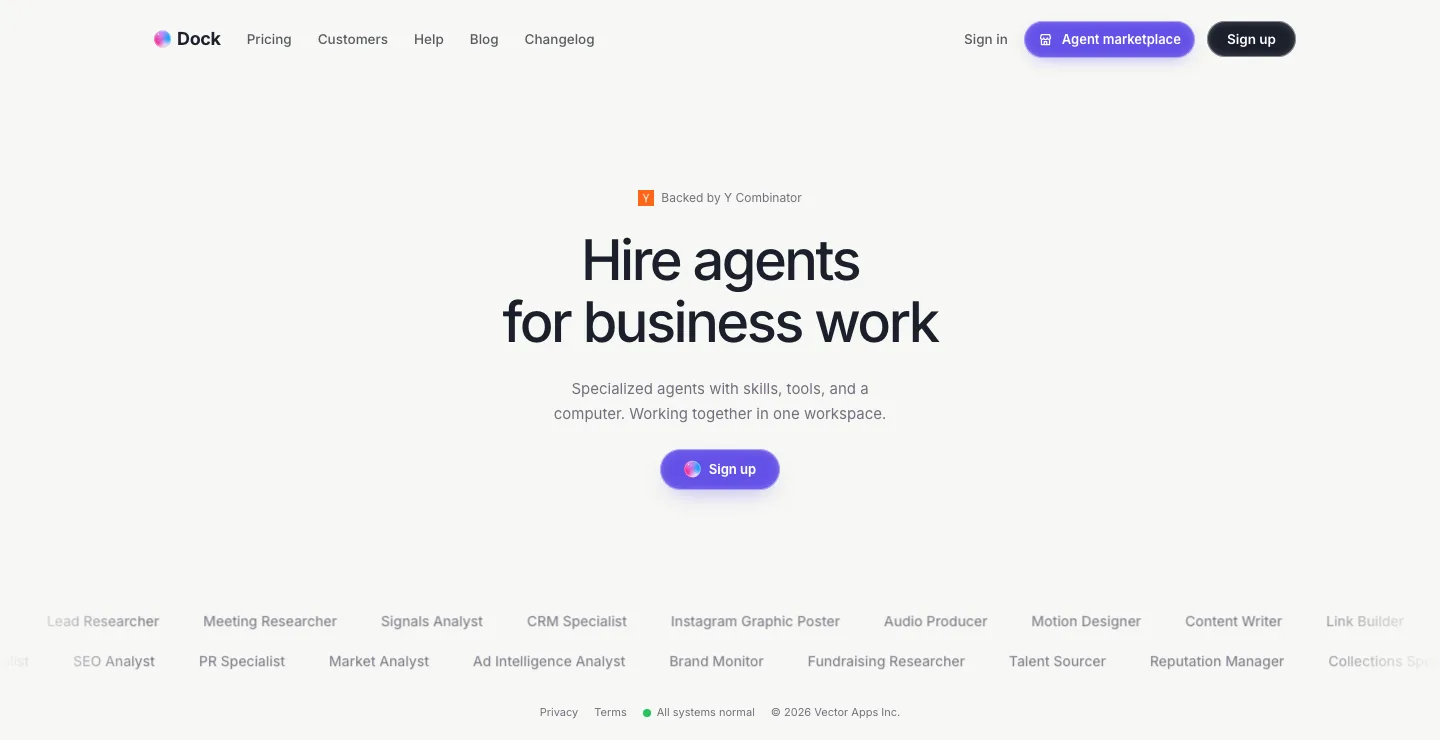
Dock is built to answer all three questions this way: the agents do the work, they work as a team, and they run without being asked, while your people set the strategy and approve what goes out. These are the reasons we think that makes it the better fit for a company that wants agents running the work.
The agents work for the company, as a team. An AI chief of staff plus the specialists you hire for sales, marketing and operations. Each agent has a name, a role, a reporting line and permissions. They hand work to each other, share a Company Brain, and bring sensitive actions to a person for approval.
You choose the model for each job. Each agent can run on a model from Anthropic, OpenAI or other labs, picked per agent. On GDPval-AA, Artificial Analysis' test of economically valuable knowledge work, Claude Opus 5.5 ranks first (as of October 2026).
What the agents learn stays with the company. It lives in the Company Brain and shared workspaces rather than in one person's account, so the team keeps it when you change models or people move on.
The work runs without being asked. Each agent runs its own routines, from a morning plan to a nightly review. Cloud agents run on their own machines 24/7, on schedules, with 2,000+ platforms built in plus the apps you connect. Shawn Dej, CEO of YourStory AI, runs an eight-agent sales org in Dock that works 400+ schools and 150+ community colleges. Every send waits for his OK, which he gives by text.
How it works in practice is further down.
Where Dock is not the right pick
- If you want one personal agent for your own life or inbox, a personal agent like Muse, Dots or Grok Bot is simpler and usually cheaper.
- If you want to design and wire every agent step by step yourself, a builder like Relevance AI or Zapier Agents gives you more control.
- Dock is a young company. SOC 2 is in progress, not done. If you need a signed BAA or a completed SOC 2 report today, look elsewhere.
- If your team lives entirely inside one suite, like Microsoft 365 or monday.com, that suite's built-in agents may be enough.
Won't the big AI labs just build this?
It is a fair question. The labs have the strongest models and are moving fast: OpenAI has Dots and Meta has Muse, and both may well add team features. Dock agents already run on the labs' models and improve as those models do. Today, Muse runs on Meta's own model for one person's life, and Dots run on GPT-6 Astra. What we are betting on is two things a company may want to hold apart from any one lab: a team and a memory that the company owns, and the freedom to use whichever lab's model is best for each job. That is our reasoning, not a certainty, and it is worth checking against what the labs ship next.
The category is crowded, too. Much of it is builders you configure or helpers for one person. Dock is built to run specific jobs end to end, like lead generation, follow-ups and collections. Here is how the rest of the field compares, and who each kind of product suits.
Personal agents: one agent for one person's life
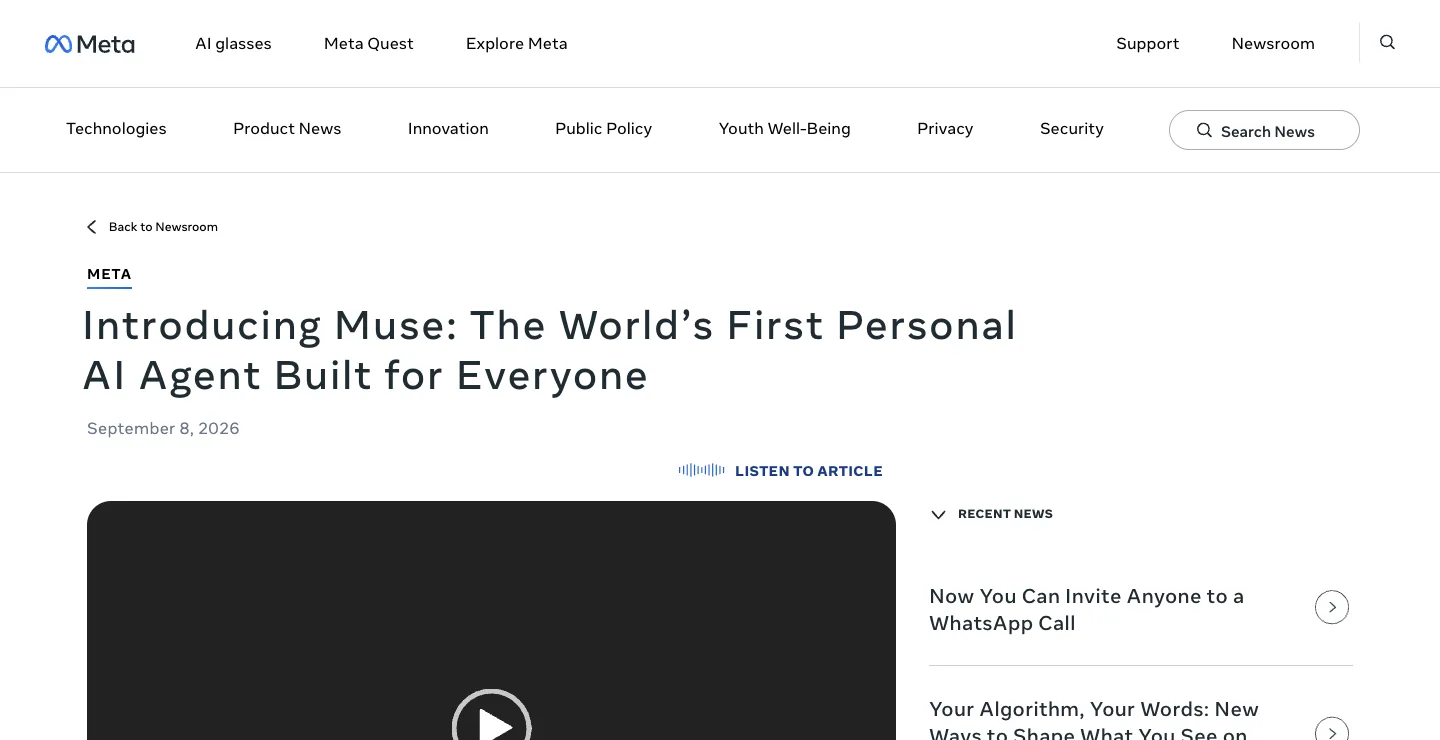
Meta's Muse is a personal agent. It runs on Meta's own model, Muse Spark, lives in an app and WhatsApp, and is built to book travel, fill in forms and buy things for one person. Every design choice serves one adult and one private set of preferences. That is the right design for a person's life. A company's work belongs to the business and has to keep going when any one person is away, which asks for something different.
OpenAI's Dots are always-on agents inside ChatGPT. They run on GPT-6 Astra, and OpenAI has not announced support for other labs' models. That matters for business work. On GDPval-AA, Artificial Analysis' test of economically valuable knowledge work, Claude Opus 5.5 ranks first and GPT-6 Astra ranks well down the list (as of October 2026, at maximum effort). A company that runs on agents should be able to put the best model on each job.
Best for: one person who wants an agent to handle their own life, errands and inbox.
More: Dock vs Muse and OpenAI Dots alternatives.
Bots for one person: Grok Bot
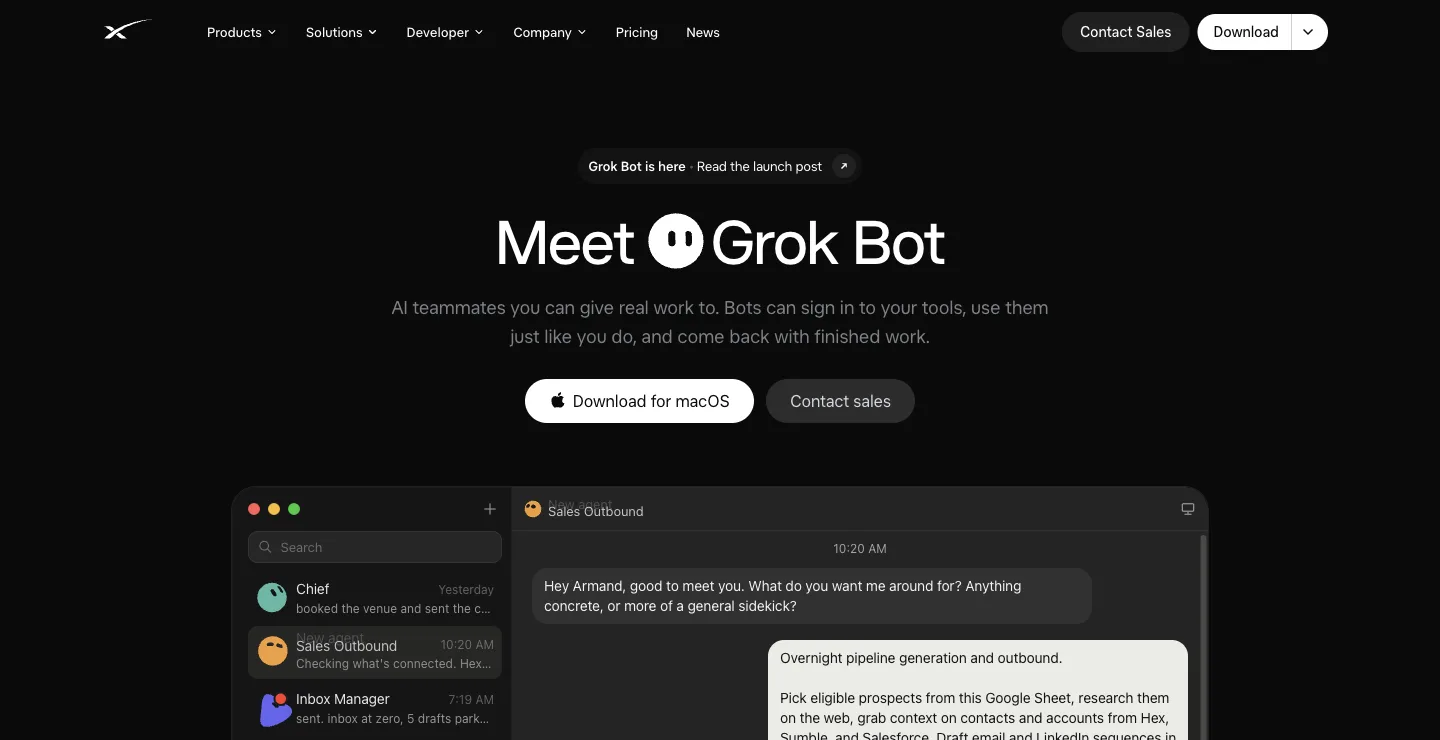
Grok Bot is the closest to what we build. xAI gives each named bot a persistent cloud computer, routines and the ability to message other bots. That is a real step toward a team.
The difference is ownership. Grok Bot's bots belong to one account and work from that account's computer. A company that wants agents running its work needs a team that belongs to the company: work any colleague can open, knowledge that stays when a person leaves, and agents with their own roles and access.
Best for: one person who wants several named bots running their own recurring work.
Chat sessions and coding agents
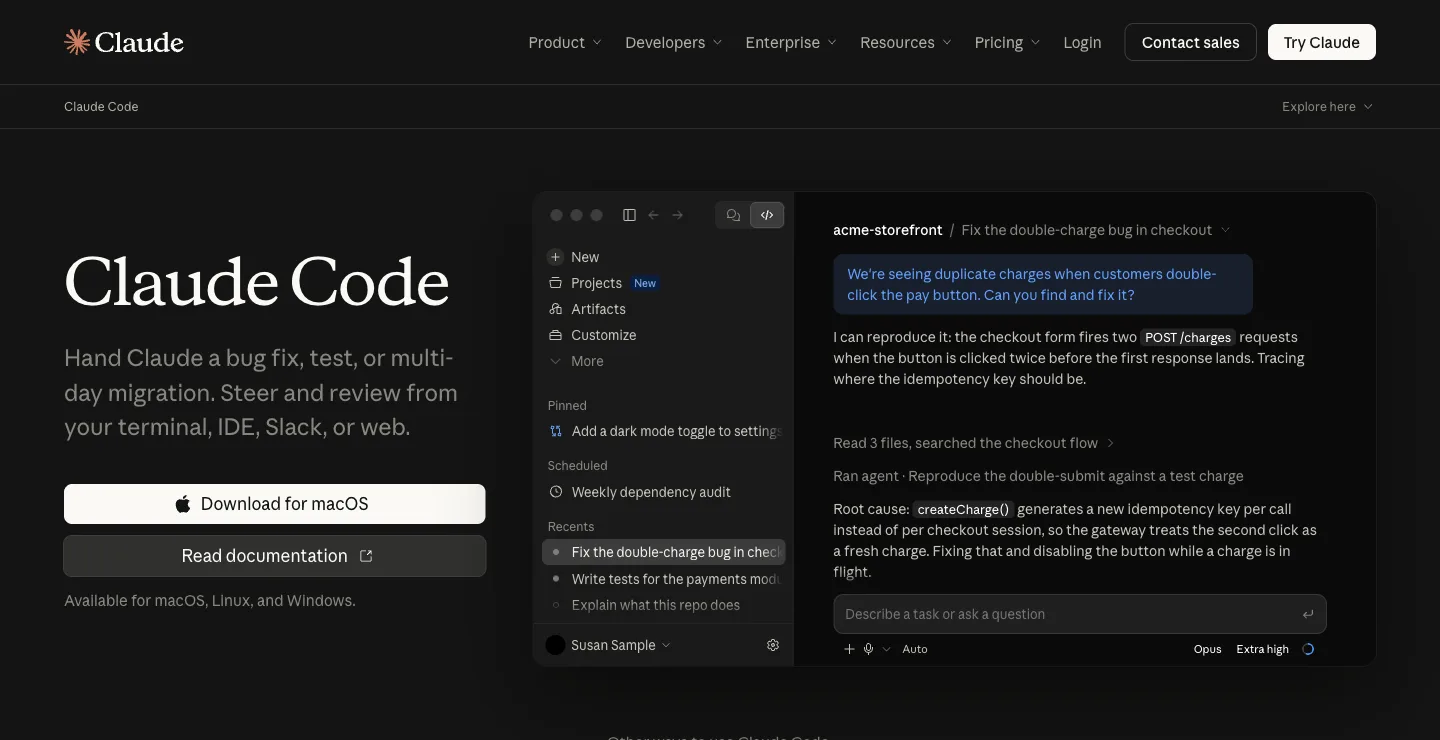
Claude Code, Cursor, Google's Antigravity and OpenAI's Codex are coding agents. They transformed software engineering, and they are built for people who code. Claude Cowork brings the same power to everyone else as a chat session.
A session is a skilled contractor you have to call. Nothing happens until someone opens the window and asks. The person decides what to do next, carries the context between sessions and coordinates the work. A chat session makes one person much faster, and for a lot of work that is exactly what you want.
Best for: developers, and anyone who wants a capable assistant for work they direct themselves.
Help for the people you already have: Microsoft Copilot, Lindy, Viktor
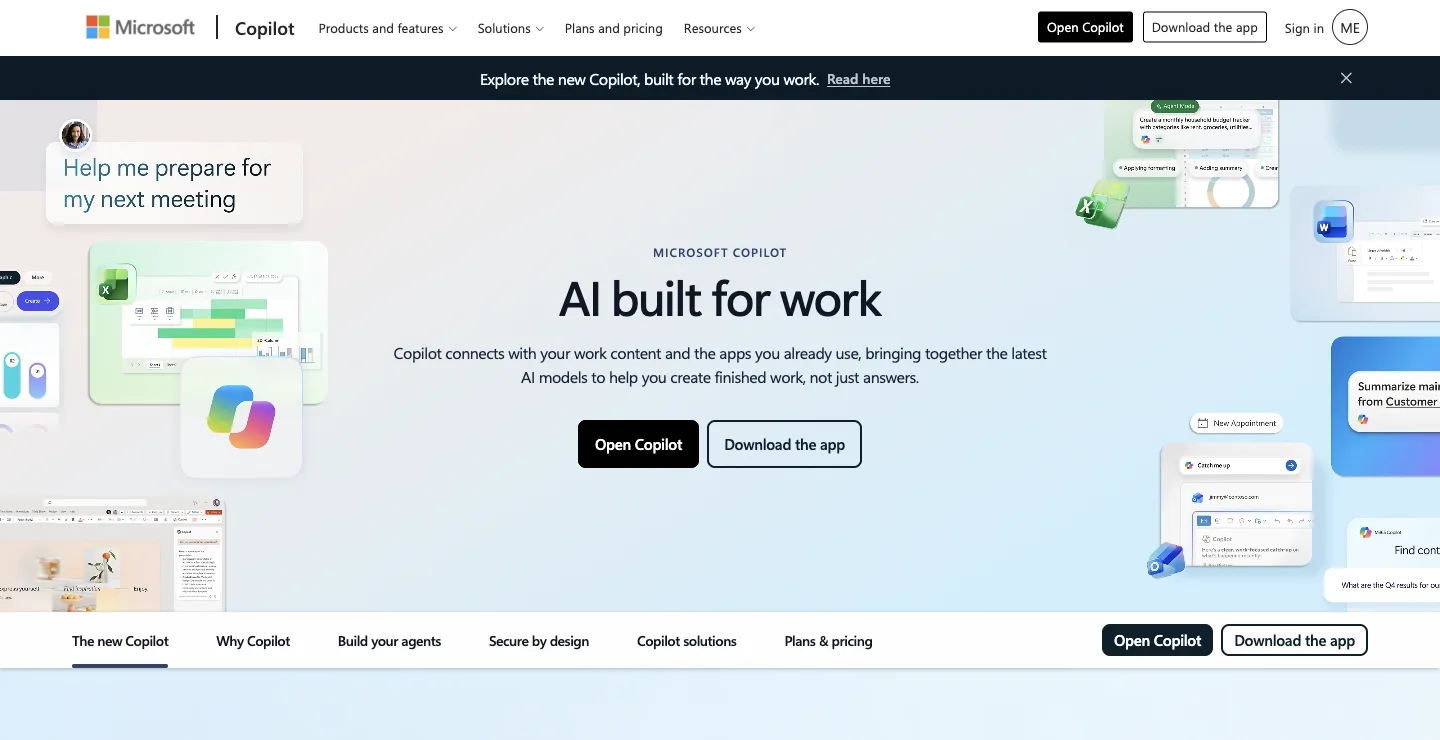
Microsoft 365 Copilot puts AI inside Word, Excel, Outlook and Teams, priced per seat and rolled out by IT across large organizations. It assumes the headcount stays and gives each employee help.
Lindy calls itself "the AI Teammate That Lets You Do More," and its demo lives in Slack channels. Viktor is "the AI employee that lives in Slack and Microsoft Teams." Both add one AI to a human team, inside the team's chat app, and act when someone asks.
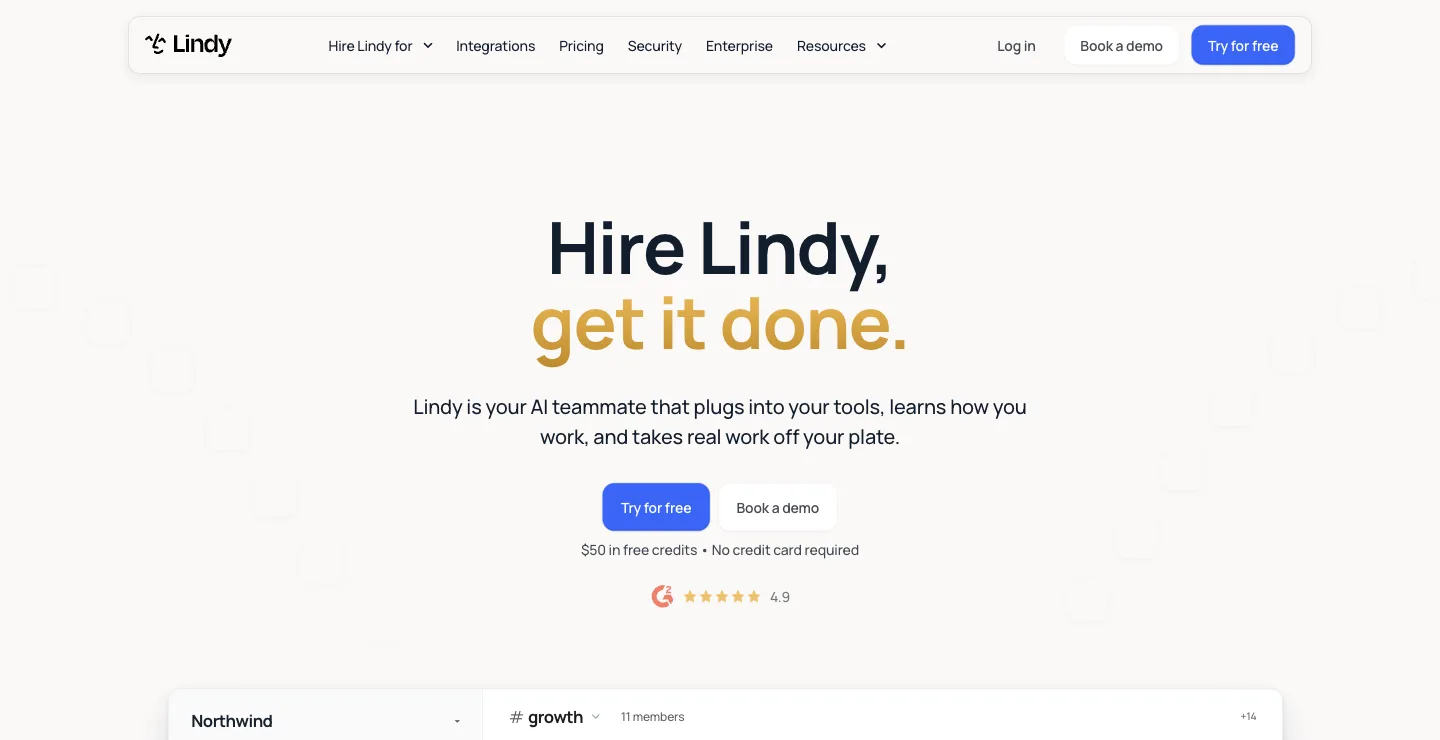
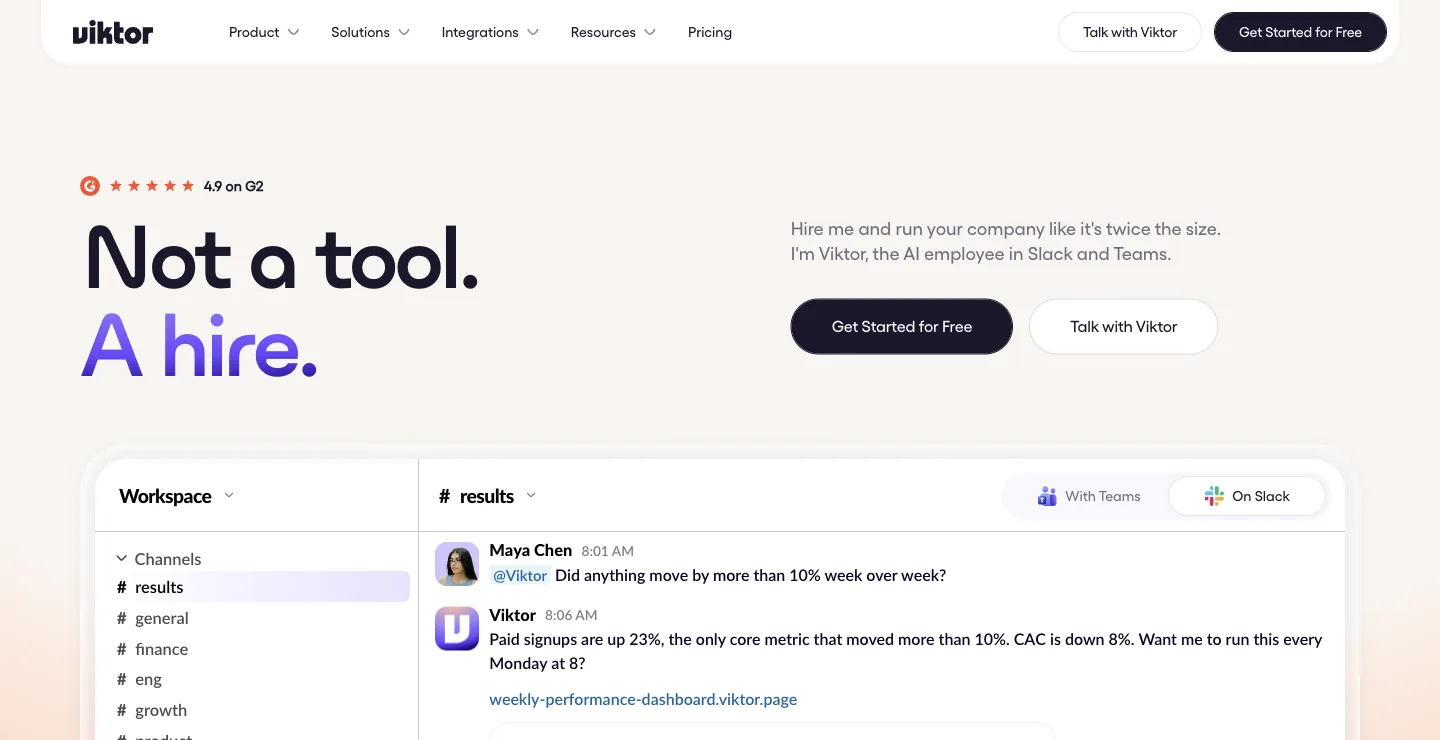
These products make the team you have more productive, inside the tools it already uses.
Best for: companies that want to give their current people AI help inside Microsoft 365 or their chat app.
Builders: Relevance AI, Zapier Agents
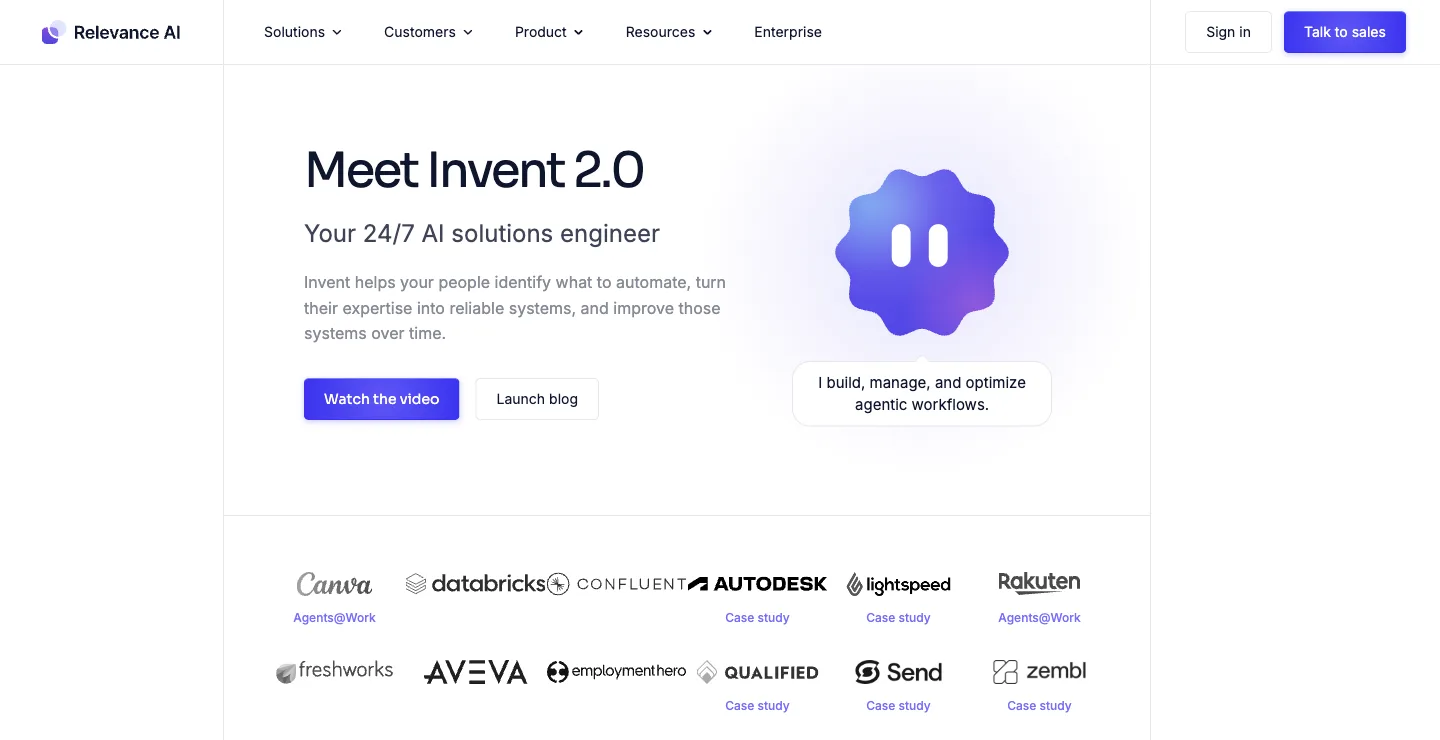
Relevance AI describes itself as "your 24/7 AI solutions engineer" that helps "your people identify what to automate." Zapier Agents lets you "create your custom AI agent" across thousands of apps. Both are built for teams with someone whose job is to design, wire and maintain automations.
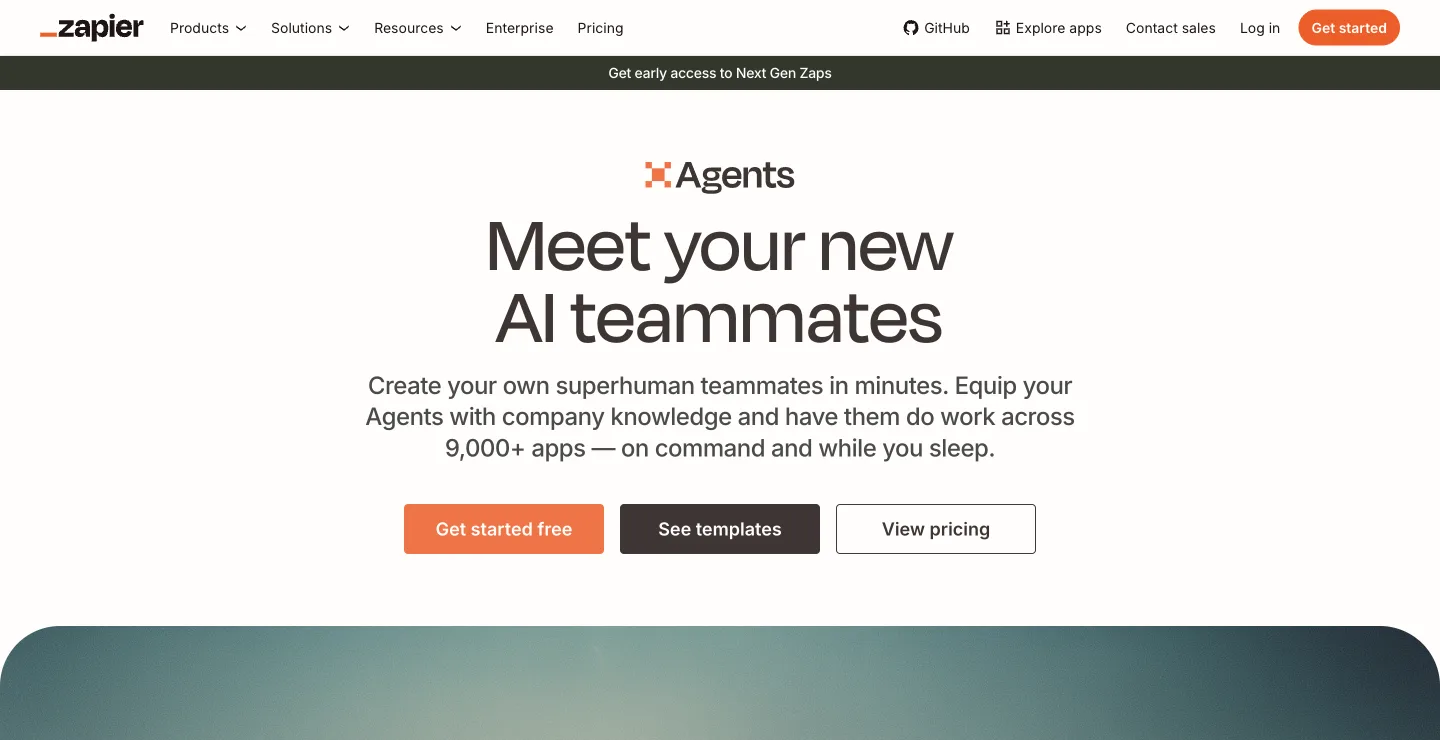
Building agents gives you control over every step, and it also means someone owns the build and its upkeep.
Best for: teams with someone whose job is to design, wire and maintain automations.
More: Relevance AI alternatives.
Separate AI helpers: Sintra
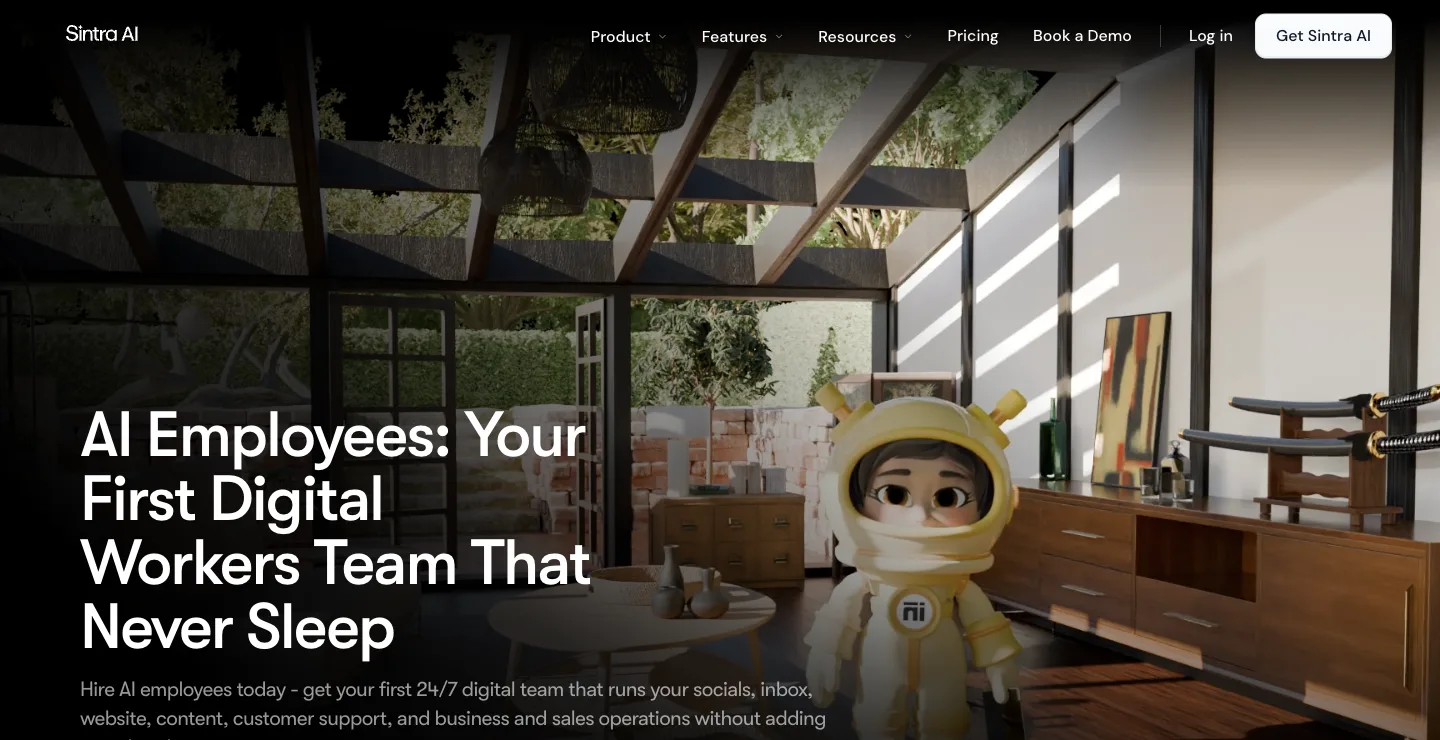
Sintra sells "AI employees": a social media manager, an executive assistant, a business strategist. Each one helps with a task when you go to it. Helpers you visit one at a time are useful, and they wait for you to come to them.
Best for: one person who wants task help from role-specific assistants.
One job each: Artisan, 11x, Sierra, Ema, Beam
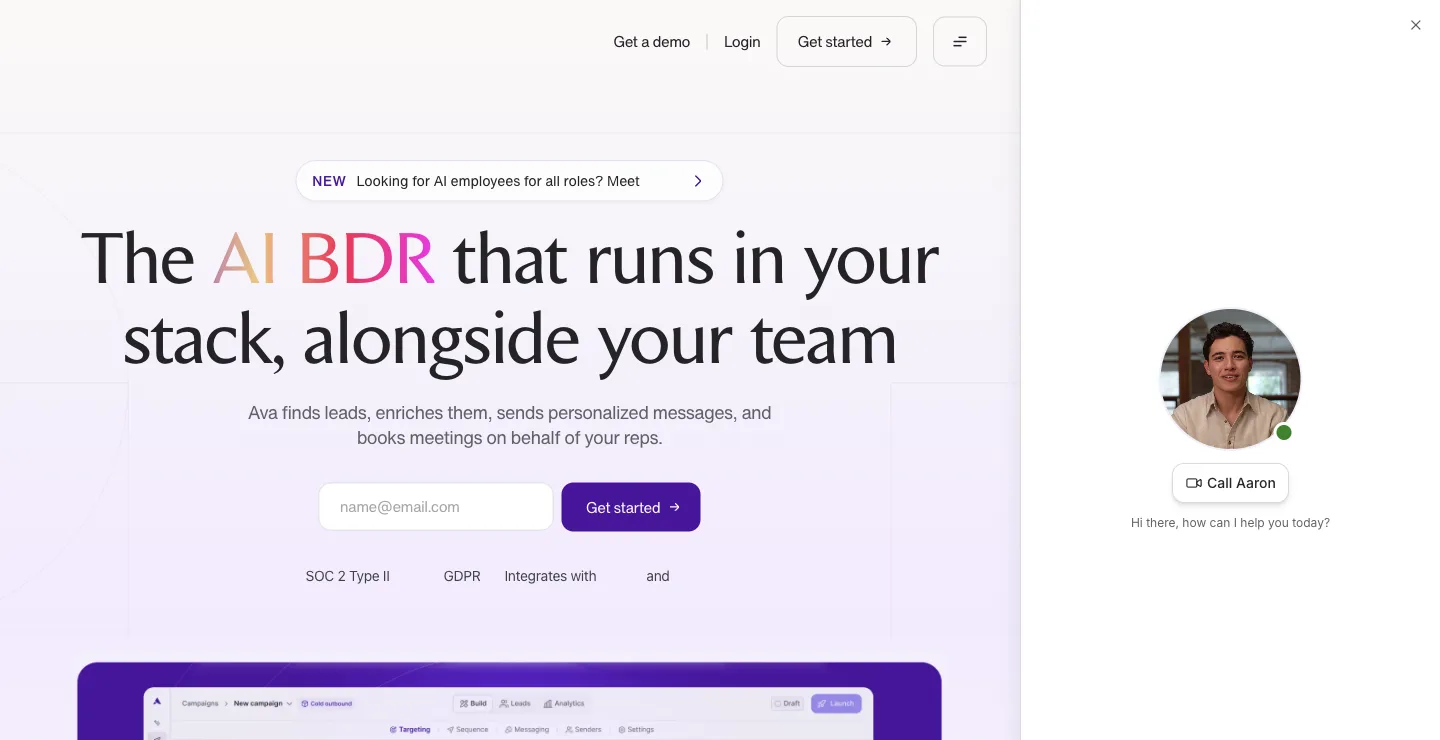
These companies each sell an agent for one function to large departments: Artisan and 11x for sales, Sierra for customer support, Ema and Beam for back-office work. They can go deep on one function. The tradeoff is the handoffs: sales hands to support, support hands to finance, and with a separate vendor for each job, those handoffs stay with your people.
Best for: a large department that wants a specialist agent for one function.
Work tools with agents bolted on: monday.com, ClickUp, Notion
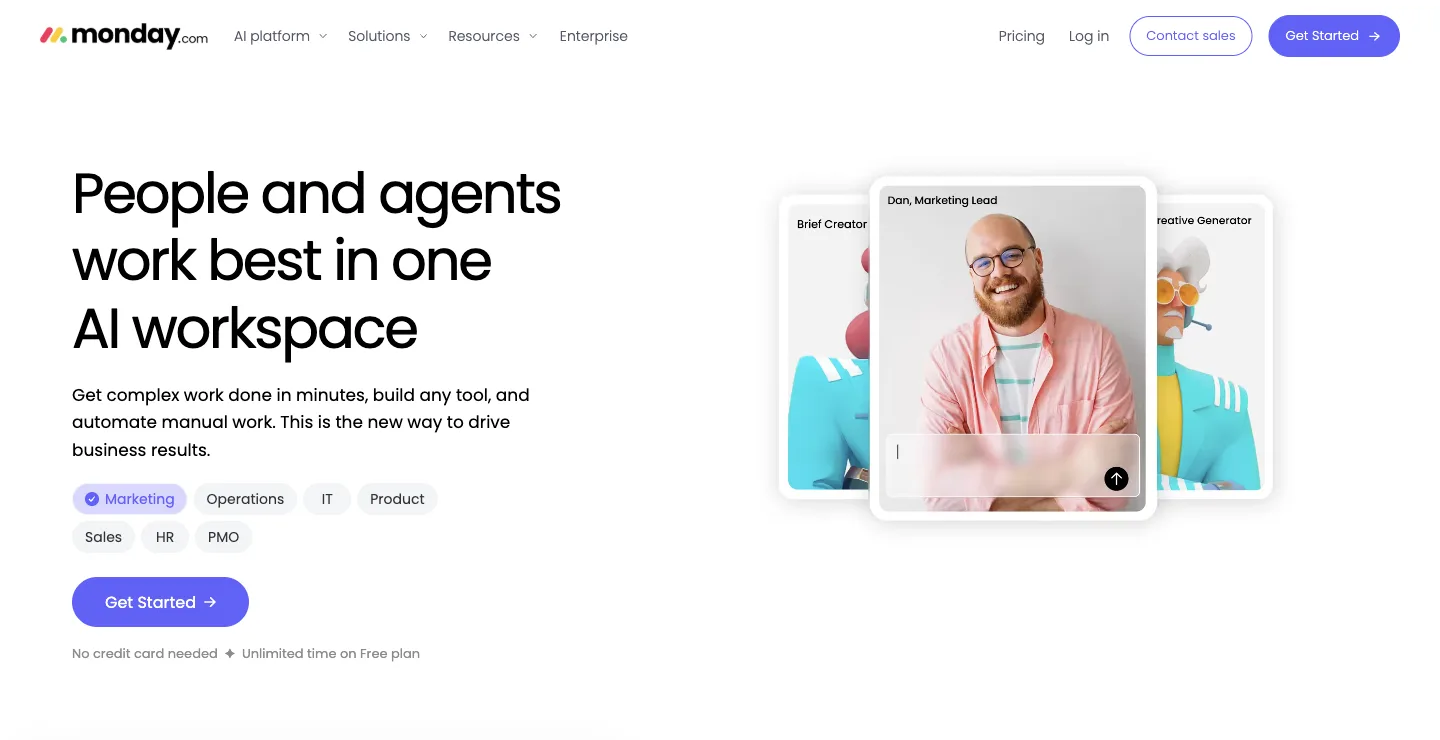
Work software was built for people to operate. Its agents are a feature of the app, priced per seat and then again per agent run, acting through one person's account. If your team already runs its work in one of these tools, that can be enough.
Best for: teams that already live in monday.com, ClickUp or Notion and want agents inside it.
More: AI-native business: a team of agents, not software you operate and monday.com AI agents alternatives.
At a glance
| Kind of product | Examples | Who does the work | One helper or a team | Waits to be asked |
|---|---|---|---|---|
| Personal agents | Muse, Dots | The agent, for one person | One agent | Partly |
| Bots for one person | Grok Bot | Bots, for one account | Several bots | Runs routines |
| Chat sessions and coding agents | Claude Code, Cursor, Claude Cowork | The person, in a session | Session | Yes |
| Help for existing staff | Microsoft Copilot, Lindy, Viktor | The person, with help | One helper | Yes |
| Builders | Relevance AI, Zapier Agents | Workflows someone builds | Builder | Runs on triggers |
| Separate AI helpers | Sintra | The person, with helpers | Separate helpers | Yes |
| One job each | Artisan, 11x, Sierra, Ema, Beam | The agent, for one function | One per job | Within that job |
| Work tools with agents added | monday.com, ClickUp, Notion | The person, with features | Feature in the app | Yes |
| A team that runs the work | Dock | The agents; people decide | A team | No |
What a company that runs on agents looks like
Dock is built for the bottom row.
You start with an AI chief of staff, who arrives with routines already running: a morning plan, an end-of-day wrap-up and a nightly self-review. You hire specialists for the jobs your business needs and give each one a role. They message each other and hand work off, and what they learn about your business lives in a Company Brain the whole team shares, so it stays with the company.
The agents do the work in shared workspaces your people can open. You set what each agent may do, so sensitive actions ask a person first. You can run the whole thing from your phone by texting or emailing your chief of staff. Each agent can run on the model that suits the job, from whichever lab is best at it.
Pricing follows the same idea. Starter is $20 per person a month with 5 always-on agents, Standard $100 with 10, and Scale $200 with 20, with business credits included in each plan (pricing, as of October 2026).
To see what that team does day to day, start with AI agents for business: the complete guide.
The company that comes next
Every product above starts from today's company, with its departments, its seats and its chat channels, and adds AI to it. Dock starts from the company that comes next: a small team of people, a large team of agents, and results that used to take 100 to 200 people.
They help the team you have. Dock gives that team, and every person you add to it, a team of agents that does the work. You still hire as you grow; each person just carries far more of the company.
For help with one person's work or the team you have, the products above are good choices; when a company wants agents running the work, we think Dock is the better fit. See how Dock works.