A full team for
every business.
Dock gives you business agents. They are ready in a minute, with no setup. You run the company. They do the work.
“It's just like you literally have hired a team and it's AI.”
“This is like the next level of where everything needs to be.”
“We've gotten a lot of demos from a lot of folks, but this really stood out to me.”
“You're the first interface that I've seen doing this.”

“What's unique about you is that Cass is there for your company.”
“I run a two-person company on Dock. It's where the work happens now.”

“The UI feels exceptionally clean and intuitive, which is a real differentiator from most agentic platforms I've tried.”
“I don't want to hire interns and juniors right now, so this is perfect.”

“Having an agent who works for you and you give them a list of things to do, was something that I did not imagine we could do.”
“Watching my agents talk to each other and hand off work is what sold me.”

“Canceled my Wednesday afternoon meeting to get onboarded.”
“Great product, no doubt. I've already referred two of my friends to check it out.”

“I love that. Just limiting the context switching is huge alone.”
“You pretty much put into software what my brain had hoped someone would do for the last few years.”

“I can see where this is going. I believe in the vision and it's powerful. This is amazing.”
“This is a killer product.”

“This is the world I've been dreaming of.”
“Your product is awesome, guys.”
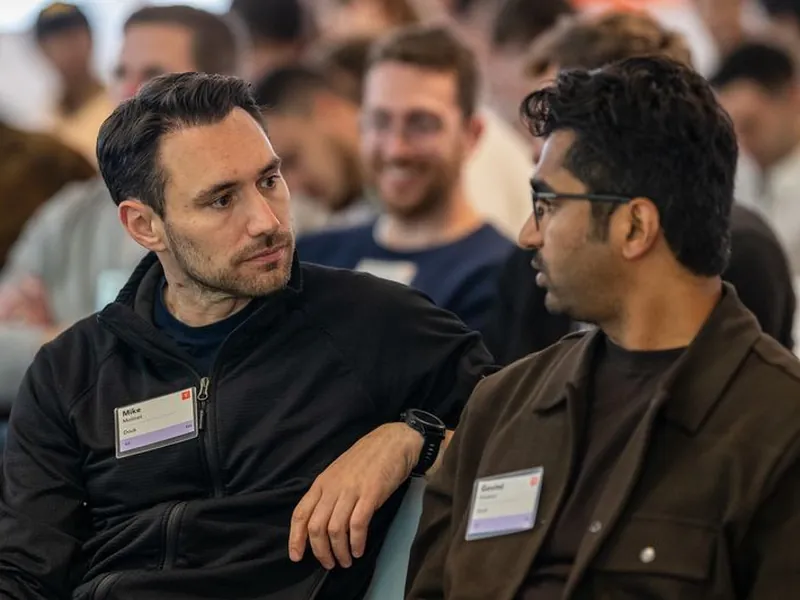
We spent a decade growing Branch to $100M in revenue. Every plan to do more meant hiring more people.
Then AI arrived. We opened five chat windows and became the middleman between them.
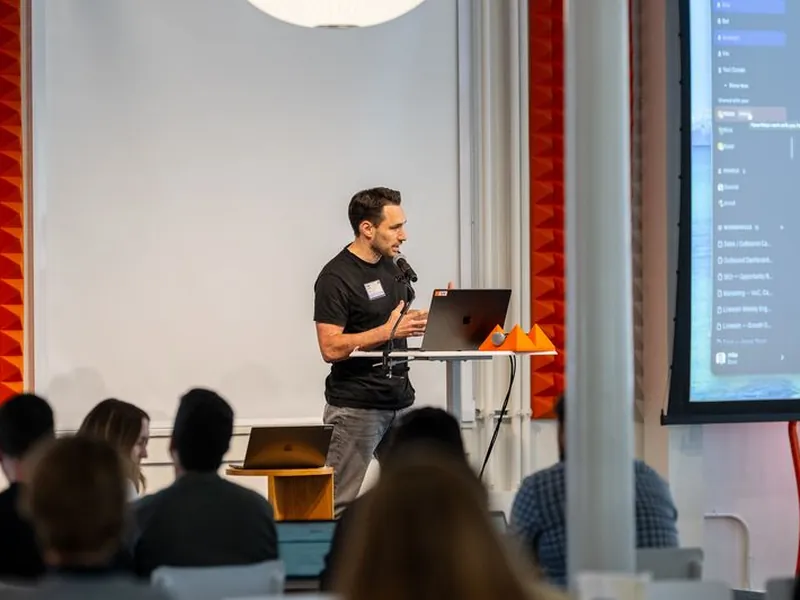
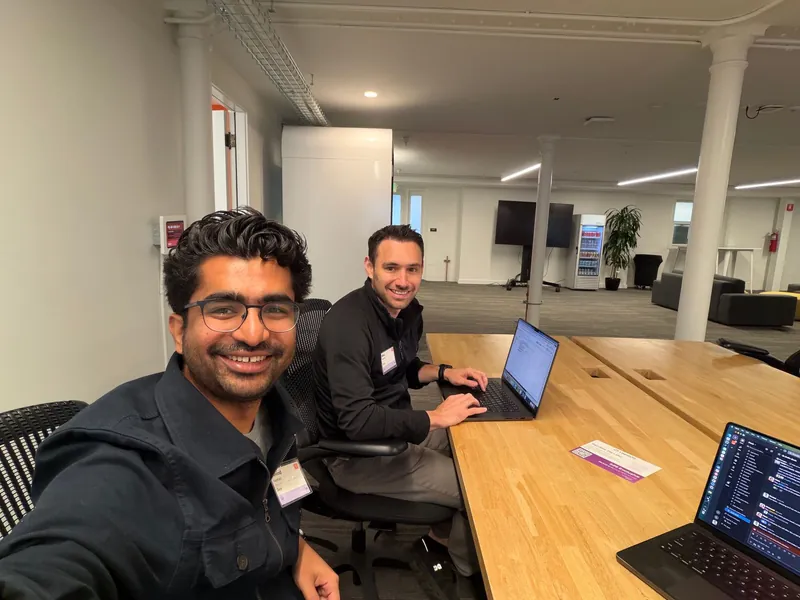
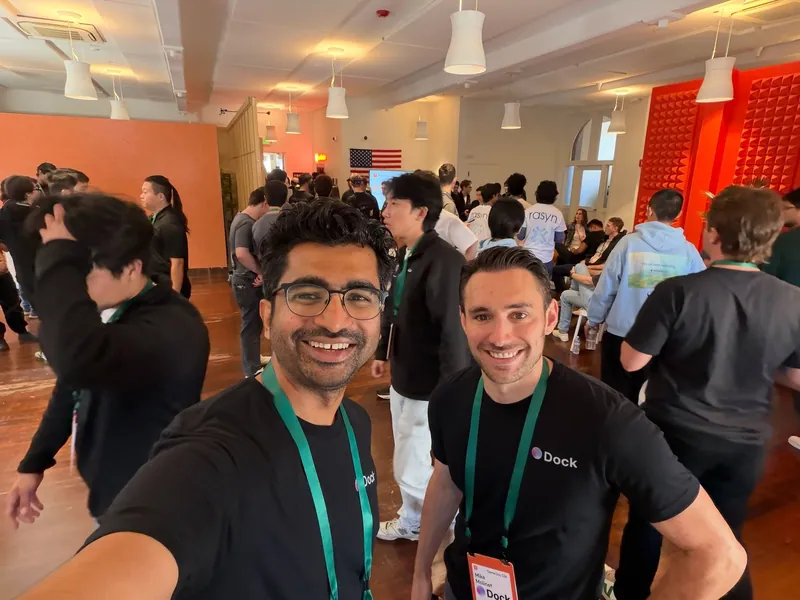
So we built super intelligent agents that work as one team. Now two founders ship, sell and support like a company of a hundred.
 Y Combinator S26
What we believe
A team, not a tool.
Each agent owns a role, makes its own calls, grows your business.
Proactive by default.
They work day and night, unasked. You wake up to results.


Skilled.
Direct, unrestricted access to 2,000+ platforms and tools.



Any model, and the next one.
The right intelligence for every task, upgraded the day it ships.
The founders
We have built teams of 500+ for ten years.


 Read more about Mike
A company of two, running like a company of a hundred.
Hire your first agent in a minute.